Most major vehicle repairs do not happen overnight. They develop gradually as fluids break down, filters become restricted, and moving parts wear. Following a regular preventative maintenance schedule can help you identify these issues early, improve vehicle reliability, and reduce the risk of expensive repairs.
At Cheshire Automotive, we help drivers protect their vehicles with maintenance recommendations based on mileage, age, driving conditions, and manufacturer guidelines. Whether your vehicle needs routine service, seasonal care, or a major mileage-based inspection, staying proactive can help keep it running safely for years.
What Is Preventative Maintenance?
Preventative maintenance is the inspection, servicing, and replacement of vehicle components before they fail. Instead of waiting for a warning light, breakdown, or major repair, preventative care addresses normal wear while the problem is still manageable.
Common preventative maintenance services include:
- Engine oil and filter changes
- Tire rotations and pressure checks
- Brake system inspections
- Fluid level and condition checks
- Engine and cabin air filter replacement
- Battery and charging system testing
- Cooling system inspections
- Belt and hose inspections
- Wheel alignment checks
- Spark plug replacement
A comprehensive vehicle maintenance service helps technicians evaluate the condition of multiple systems and identify developing concerns before they cause a breakdown.
Why Preventative Maintenance Matters
A vehicle may appear to drive normally even when a component is beginning to wear. Old engine oil, contaminated brake fluid, a weak battery, or an aging belt may not immediately create noticeable symptoms.
Preventative maintenance can help:
- Reduce the likelihood of unexpected breakdowns
- Extend the usable life of the engine and other components
- Maintain dependable braking, steering, and handling
- Improve fuel economy and overall performance
- Preserve the vehicle's resale value
- Prevent minor issues from becoming costly repairs
Routine service generally costs far less than replacing an engine, transmission, cooling system component, or other major part that failed because maintenance was delayed.
Follow Your Factory Maintenance Schedule
Every vehicle manufacturer provides a recommended maintenance schedule. The schedule outlines when specific fluids, filters, and components should be inspected or replaced.
The correct interval may depend on:
- Vehicle make, model, and model year
- Current mileage
- Engine and transmission type
- Normal or severe driving conditions
- Previous maintenance history
Following your vehicle's factory maintenance recommendations can help protect its reliability and may be important for maintaining applicable warranty coverage.
Cheshire Automotive can also create a personalized scheduled maintenance plan based on your vehicle's actual condition and service history.
What Is Considered Severe Driving?
Many drivers operate under conditions manufacturers classify as severe, even if their daily commute does not seem demanding.
Severe driving may include:
- Frequent short trips
- Extended idling
- Stop-and-go traffic
- Driving in extreme heat or cold
- Traveling on dusty or unpaved roads
- Towing or carrying heavy loads
- Repeated driving before the engine fully warms up
These conditions may require more frequent oil changes, fluid inspections, and other maintenance than the standard schedule recommends.
What Happens During a 30,000-Mile Service?
The 30,000-mile interval is often the first major maintenance milestone. Exact requirements vary by manufacturer, but a typical 30K service may include:
- Engine oil and filter replacement
- Tire rotation and tread inspection
- Brake system inspection
- Engine air filter replacement
- Cabin air filter replacement
- Battery and charging system test
- Fluid condition inspection
- Belt and hose inspection
- Steering and suspension inspection
Replacing a restricted engine air filter can help maintain proper airflow, while a tire rotation helps promote more even tread wear.
What Happens During a 60,000-Mile Service?
By 60,000 miles, many vehicles require additional fluid services and component inspections. A typical 60K maintenance service may include the items performed during earlier intervals along with:
- Transmission fluid inspection or service
- Cooling system inspection or coolant service
- Brake fluid testing or replacement
- Spark plug inspection or replacement
- Fuel and ignition system inspection
- Suspension and steering evaluation
- Drive belt inspection
Service requirements differ significantly between vehicles. Some manufacturers recommend spark plugs or transmission service at this interval, while others specify a later mileage.
What Happens During a 90,000-Mile Service?
Preventative maintenance becomes increasingly important as a vehicle approaches 90,000 miles. Components that have lasted for years may be approaching the end of their normal service life.
A 90K service may include:
- A comprehensive vehicle inspection
- Engine oil and filter replacement
- Brake and tire inspections
- Cooling system service
- Spark plug replacement
- Drive belt and tensioner inspection
- Timing belt inspection or replacement when applicable
- Water pump inspection
- Fuel system evaluation
- Transmission and drivetrain fluid inspection
Vehicles equipped with timing belts may have a specific replacement interval. A failed timing belt can cause severe engine damage on certain engines, so this recommendation should not be ignored.
Essential Routine Maintenance Services
Oil Changes
Engine oil lubricates internal components, helps control heat, and carries contaminants to the oil filter. As oil ages, it becomes less effective at protecting the engine.
Following the correct oil change interval is one of the most important steps you can take to support long-term engine reliability.
Tire Rotations
Front and rear tires often wear at different rates. Regular tire rotations help distribute that wear more evenly, which may extend tire life and support predictable handling.
Wheel Alignments
Potholes, curb impacts, and worn suspension components can affect wheel alignment. Signs of an alignment problem may include uneven tire wear, a crooked steering wheel, or a vehicle that pulls to one side.
A professional wheel alignment helps restore the manufacturer's specified wheel angles.
Brake Inspections
Brake pads, rotors, calipers, and brake fluid all require periodic attention. Squeaking, grinding, vibration, or increased stopping distance should be inspected promptly.
Routine brake system inspections and repair help protect stopping performance and may prevent damage to additional brake components.
Cooling System Maintenance
The cooling system regulates engine temperature. Old coolant, a weak hose, a leaking radiator, or a failing water pump can eventually cause overheating.
A cooling system inspection can identify leaks, deteriorated hoses, and other concerns before the engine overheats.
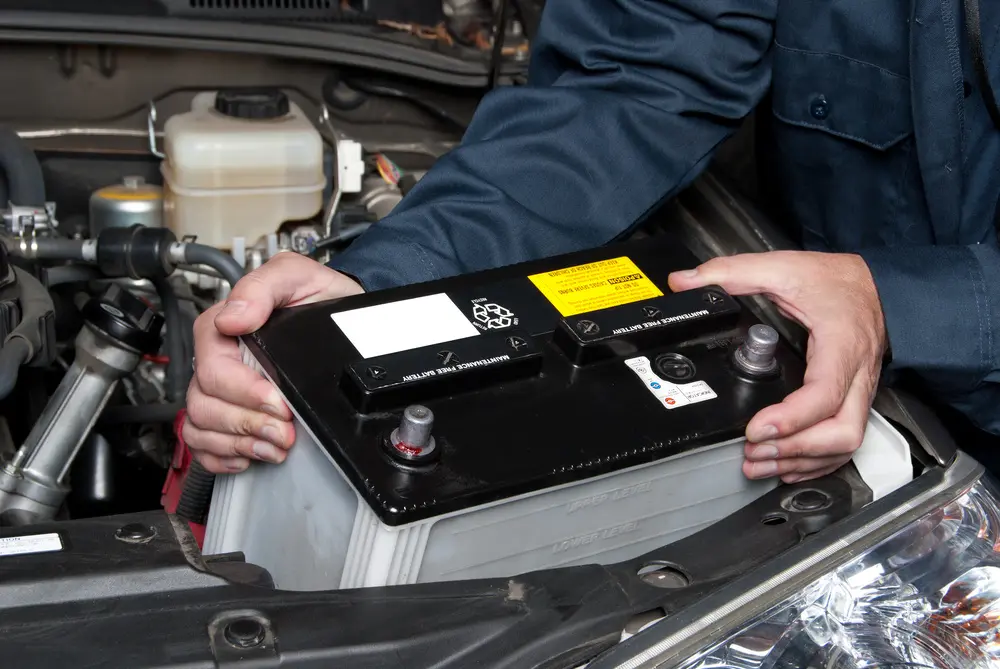
Battery and Electrical System Testing
Batteries can weaken gradually and may fail with little warning. Regular testing helps determine whether the battery, alternator, and related electrical components are operating correctly.
Slow cranking, dim lights, or repeated starting problems may indicate the need for an automotive electrical system inspection.
Seasonal Vehicle Maintenance
Seasonal temperature changes can affect batteries, tires, fluids, cooling systems, and air conditioning performance. A seasonal maintenance inspection can help prepare your vehicle for changing road and weather conditions.
Spring Maintenance
- Inspect tires for winter damage and uneven wear
- Check wheel alignment after pothole season
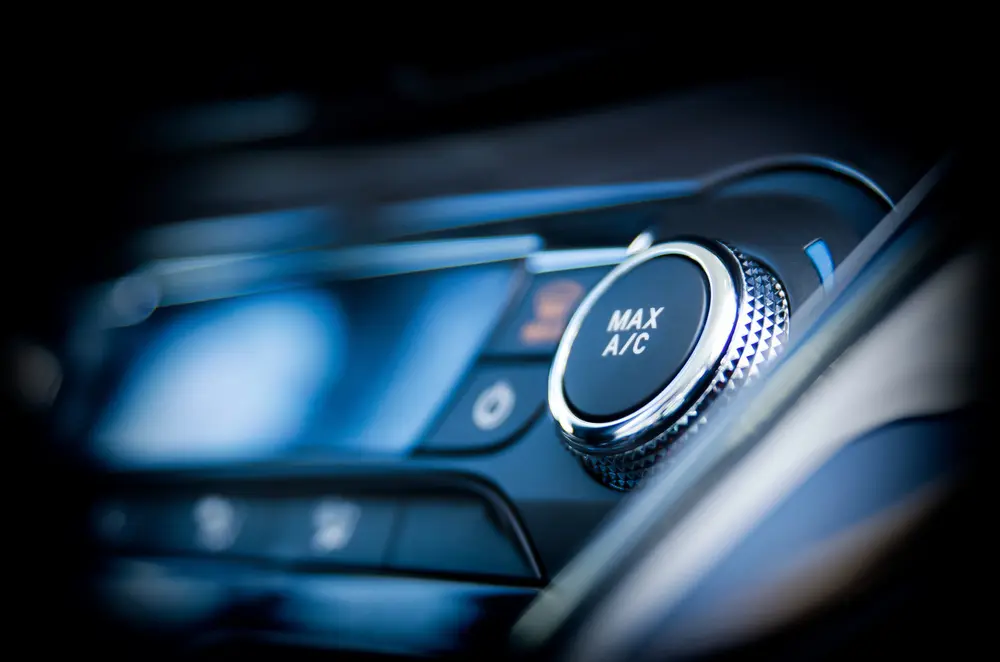
- Test the air conditioning system
- Inspect windshield wipers
- Check brakes and suspension components
Summer Maintenance
- Inspect coolant condition and level
- Test the battery and charging system
- Check air conditioning performance
- Inspect belts, hoses, and tire pressure
- Prepare the vehicle before long road trips
Fall Maintenance
- Test the battery before cold weather arrives
- Inspect the heater and defroster
- Check tires and exterior lighting
- Replace worn wiper blades
- Inspect fluids and filters
Winter Maintenance
- Monitor tire pressure as temperatures fall
- Keep the fuel tank adequately filled
- Check coolant freeze protection
- Inspect the battery for reduced cold-weather capacity
- Address warning lights before severe weather travel
Signs Your Vehicle May Be Overdue for Maintenance
Mileage is not the only indicator that your vehicle needs attention. Schedule an inspection when you notice:
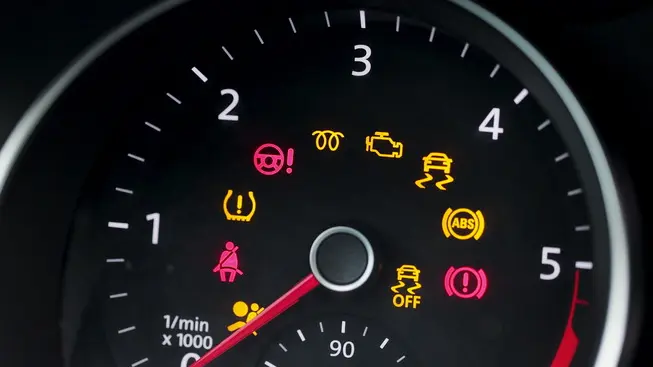
- A dashboard warning light
- Reduced fuel economy
- Hard starting or slow engine cranking
- Unusual noises or vibrations
- Squeaking or grinding brakes
- Engine hesitation or rough idling
- Fluid leaks beneath the vehicle
- Uneven or rapid tire wear
- A vehicle pulling to one side
- Engine overheating
A warning light should not be treated as a maintenance reminder alone. It may indicate a system fault that requires professional computer diagnostic testing.
How Digital Vehicle Inspections Support Preventative Care
A digital vehicle inspection gives you a clearer view of your vehicle's condition. Technicians can document inspected components and organize recommendations according to urgency.
Cheshire Automotive uses digital vehicle inspections to help drivers make informed decisions about current repairs and future maintenance.
A General Preventative Maintenance Checklist
The following intervals are general guidelines. Your owner's manual and manufacturer schedule should remain the primary source for vehicle-specific requirements.
Every 5,000 to 7,500 Miles
- Change the engine oil when required
- Rotate the tires
- Inspect tire pressure and tread
- Check fluid levels
- Inspect the brakes
Every 15,000 to 30,000 Miles
- Inspect or replace the engine air filter
- Inspect or replace the cabin air filter
- Test the battery
- Inspect belts and hoses
- Check wheel alignment and suspension condition
Every 30,000 to 60,000 Miles
- Inspect transmission fluid
- Inspect coolant condition
- Test brake fluid
- Inspect spark plugs and ignition components
- Evaluate the fuel system
At 90,000 Miles and Beyond
- Perform a comprehensive vehicle inspection
- Review timing belt requirements when applicable
- Inspect the water pump and cooling system
- Inspect the drive belt system
- Review all overdue manufacturer services
Frequently Asked Questions About Preventative Maintenance
How often should I schedule preventative maintenance?
Many vehicles need some form of maintenance every 5,000 to 7,500 miles. However, the correct interval depends on the vehicle, oil specification, driving conditions, and manufacturer recommendations.
Is factory-scheduled maintenance necessary?
Yes. Factory maintenance schedules are designed around the expected service life of fluids and components. Following the schedule can improve reliability, reduce wear, and help protect applicable warranty coverage.
What happens if I skip routine vehicle maintenance?
Skipping maintenance can contribute to accelerated wear, reduced fuel economy, poor performance, unexpected breakdowns, and more expensive repairs.
Is preventative maintenance less expensive than repair?
In most cases, routine maintenance is far less expensive than repairing damage caused by neglected fluids, worn components, overheating, or lubrication failure.
Do I have to return to a dealership for factory maintenance?
A qualified independent repair facility can generally perform manufacturer-recommended maintenance. Keep detailed service records and make sure the correct fluids, parts, and procedures are used.
What is included in a preventative maintenance inspection?
The inspection may include tires, brakes, fluids, filters, belts, hoses, battery condition, exterior lights, steering, suspension, and other major vehicle systems. The exact checklist varies by vehicle and service interval.
Should I follow mileage or time-based maintenance intervals?
Follow whichever interval occurs first. Fluids, rubber components, batteries, and filters can deteriorate with age even when the vehicle is driven relatively few miles.
Does a low-mileage vehicle still need maintenance?
Yes. Short trips and long periods of inactivity can affect oil condition, battery charge, tire condition, moisture accumulation, and other vehicle systems.
Can preventative maintenance improve fuel economy?
Proper tire pressure, clean filters, correct engine oil, functional sensors, and a well-maintained ignition system can all support efficient vehicle operation.
When should I have my vehicle inspected before a road trip?
Schedule an inspection early enough to address any recommended repairs before departure. The inspection should include tires, brakes, fluids, battery condition, cooling system components, lights, and windshield wipers.
Schedule Preventative Maintenance at Cheshire Automotive
Whether your vehicle is due for an oil change, seasonal inspection, factory service, or a 30K, 60K, or 90K maintenance visit, Cheshire Automotive can help you create a practical plan based on your vehicle's needs.
Explore our complete range of automotive maintenance and repair services, or contact Cheshire Automotive to schedule your next service.